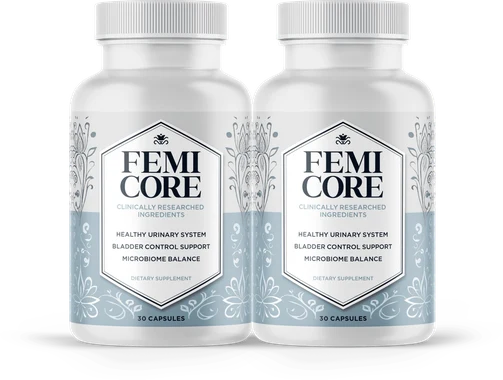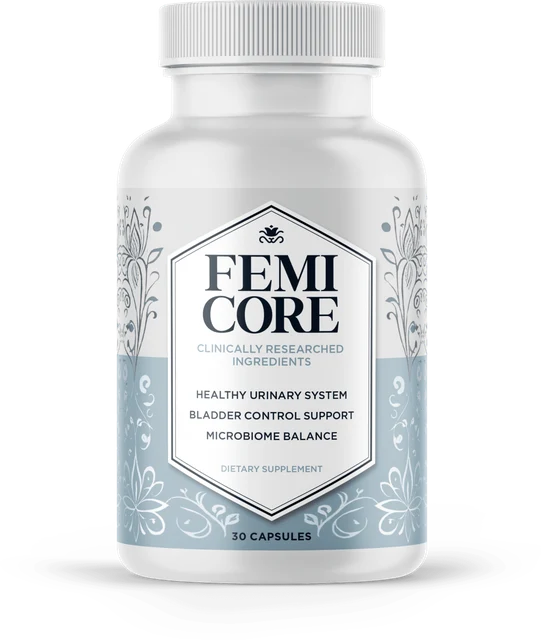
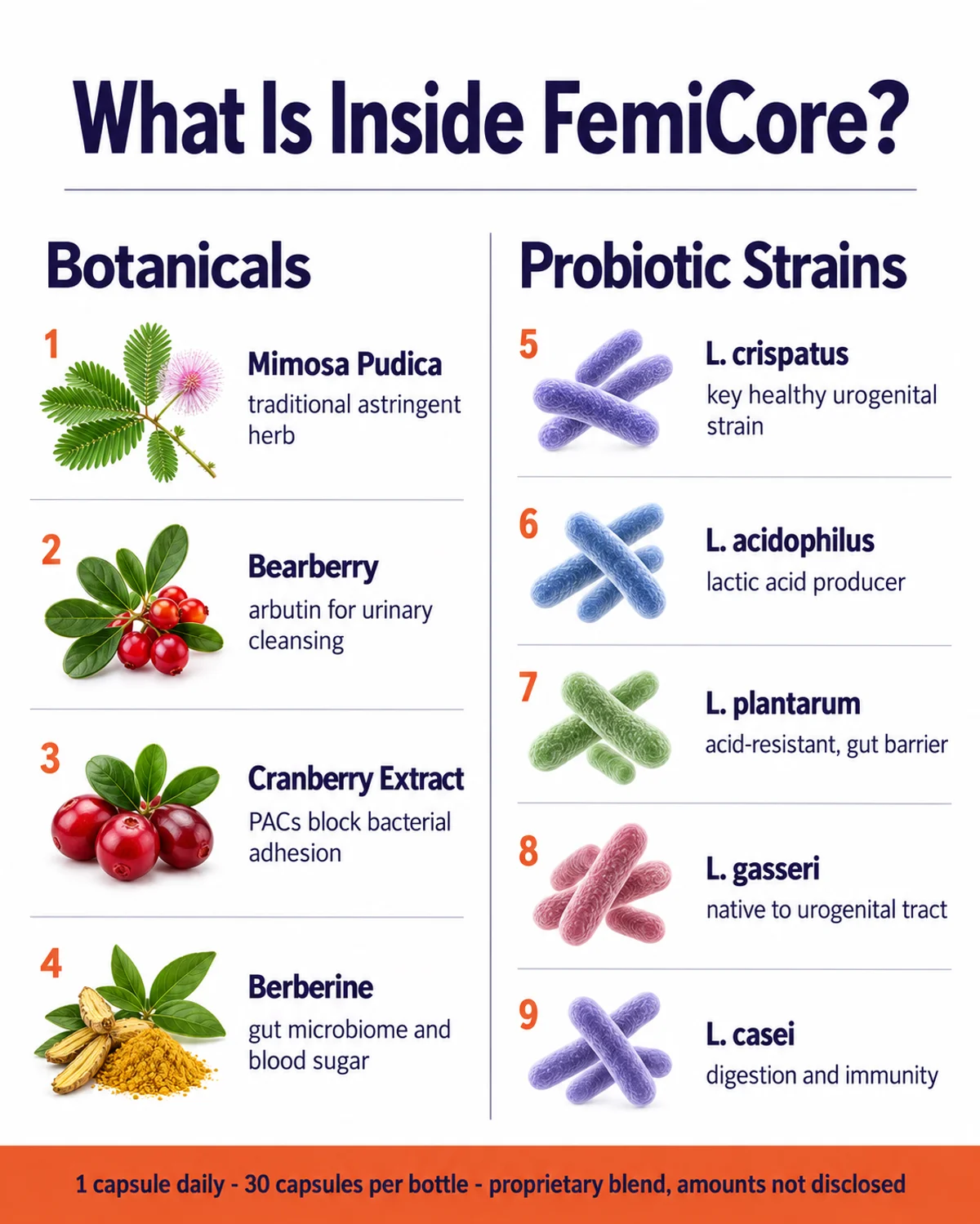
FemiCore puts nine ingredients into one capsule: four plant ingredients and five Lactobacillus species. This page is the reference sheet. It gives each ingredient one row, ranks the evidence, and lists every number the label leaves blank, so you can check the formula in a few minutes.
This is the scan-and-compare version. If you want the long read, with the background story for each plant and bacterium, our article on the FemiCore ingredients list covers it in depth.
All nine ingredients in one table
The role column describes why an ingredient like this tends to appear in a bladder product. The evidence column is the strongest human research we could match to it. The last column answers one question: does the label print an amount?
| Ingredient | Group | Usual role in a bladder formula | Best human evidence | Dose disclosed? |
|---|---|---|---|---|
| Mimosa pudica | Botanical | Calming, antispasmodic herb | None in people; lab and animal reports only | No |
| Bearberry (uva ursi) | Botanical | Arbutin, turned into an antibacterial compound in urine | Limited and mixed; traditional short-course use | No |
| Cranberry extract | Botanical | A-type PACs that hinder E. coli from sticking | 2023 Cochrane review: fewer repeat UTIs in prone women | No |
| Granular berberine | Botanical alkaloid | Antimicrobial, metabolic | Good for blood sugar and cholesterol; none for the bladder | No |
| L. crispatus | Probiotic | Dominant species in a healthy vaginal flora | Small trial of a vaginal (not oral) product: fewer repeat UTIs | No |
| L. acidophilus | Probiotic | General Lactobacillus support | No bladder trial we could find | No |
| L. plantarum | Probiotic | General Lactobacillus support | No bladder trial we could find | No |
| L. gasseri | Probiotic | General Lactobacillus support | No bladder trial we could find | No |
| L. casei | Probiotic | General Lactobacillus support | No bladder trial we could find | No |
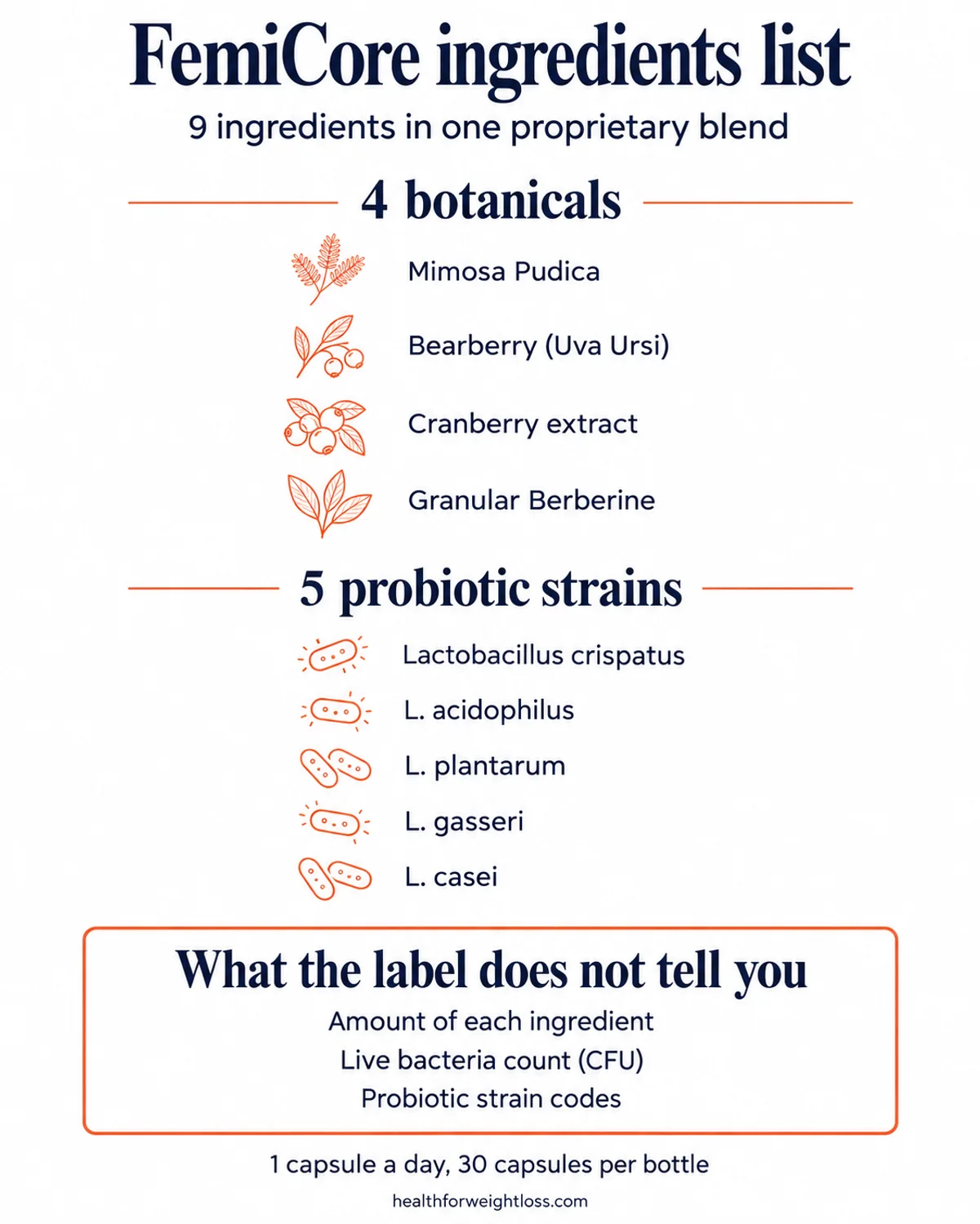
Read down the last column and the pattern is plain: nothing is quantified. The label shows a proprietary blend, so the nine names arrive without a single per-ingredient amount.
Formula quick facts
- Form: capsule, 30 per bottle, one bottle per month.
- Directions from the seller: 1 capsule every morning with a big glass of water.
- Label claims: “Healthy urinary system, Bladder control support, Microbiome balance”.
- Seller statements: no stimulants, non-GMO.
- Blend type: proprietary, so no individual doses.
- “Clinically researched ingredients”: this phrase on the label points to research on the ingredients in general. No trial of the finished FemiCore formula exists.
- Trial period the vendor suggests: at least 3 months before you judge it.
See the label on the official store
The seller lists the full nine-ingredient blend next to its one-time packages and the 60-day refund, counted from delivery.
View the FemiCore formulaOpens the official FemiCore store (BuyGoods checkout).
Botanicals: four plant ingredients
Four of the nine come from plants. They carry most of the safety questions, so each gets a short entry.
Mimosa pudica
Lab and animal studies describe anti-inflammatory, antimicrobial and antispasmodic activity. There are no human trials for bladder symptoms. Of all nine ingredients, this one stands on the least evidence.
Bearberry (uva ursi)
The leaf contains arbutin. In the body, arbutin is converted to hydroquinone, which turns up in urine and has shown antibacterial activity in the lab. Human evidence is limited and the results are mixed. European herbal regulators accept it as a traditional remedy for mild lower urinary complaints, but only in short courses of about a week, not for continuous use. FemiCore is taken every day and does not state how much bearberry it contains. That gap is the main reason we flag this ingredient.
Cranberry extract
Cranberry has the strongest evidence here. Its A-type proanthocyanidins (PACs) reduce how well E. coli sticks to the lining of the urinary tract. In women prone to repeat urinary tract infections, cranberry products can reduce how often they come back, according to a 2023 Cochrane review. Earlier reviews were mixed, and the effect depends on the PAC dose. Note the scope: these studies looked at infections. They did not measure leaks or urgency.
Granular berberine
Berberine has good human data, but for blood sugar and cholesterol, at around 1,000 to 1,500 mg a day. Bladder evidence is lacking. It is also the ingredient with the most drug interactions in the formula, which matters if you take regular medication. The berberine dose in FemiCore is not disclosed.
The probiotic group
Five Lactobacillus species make up the other half of the blend. The idea behind them comes from the urinary microbiome.
The background. Since around 2012, sequencing studies from Loyola University Chicago and other groups have found that the female bladder is not sterile. Some of that work saw fewer Lactobacillus in women with urgency incontinence. The idea is plausible, but the science is early. It does not show that swallowing probiotics changes bladder symptoms.
L. crispatus. In a small placebo-controlled trial, an L. crispatus product placed in the vagina reduced repeat urinary tract infections. That was a vaginal product. FemiCore is a capsule you swallow, so the result does not carry over directly.
L. gasseri, L. casei, L. acidophilus and L. plantarum. These four are common probiotic species. We found no bladder-specific trial for them to point to.
Why strain codes matter. Probiotic effects are strain-specific: two strains of the same species can behave differently. FemiCore names species only, with no strain codes, so you cannot match it to any tested strain.
The nine ranked by evidence
From the most human support to the least, for the claims a bladder formula makes:
- Cranberry extract. A Cochrane review supports it, but for repeat infections only, and the effect depends on PAC dose.
- L. crispatus. One small placebo-controlled trial, but of a vaginal product.
- Bearberry. Traditional short-course use. Human data are limited and mixed.
- Berberine. Strong human data, but for metabolic outcomes, not the bladder.
- L. gasseri, L. casei, L. acidophilus, L. plantarum. General probiotics with no bladder trial we could find.
- Mimosa pudica. Lab and animal reports only.
None of these studies tested FemiCore itself. The ranking describes the ingredients, not the product.
Want to try the blend yourself?
Packages are one-time purchases on the official store, and the refund window runs 60 days from the delivery date.
Check FemiCore packagesOpens the official FemiCore store (BuyGoods checkout).
Label gaps: what is not disclosed
These are the figures a careful buyer would want and the seller does not publish. Use this list to see the gaps, or to send questions to support before you order.
- Individual doses. No amount is given for any of the nine ingredients.
- CFU count. No number of live bacteria, per capsule or per bottle.
- Probiotic strain codes. Five species, no strains.
- Cranberry PAC content. This is the number that research ties to the effect.
- Bearberry arbutin content. You cannot see how much arbutin you would take daily.
- Berberine dose. You cannot compare it with the 1,000 to 1,500 mg a day used in metabolic studies.
- Certificate of analysis. No lab report on contents or purity is published.
The seals shown on the official site (GMP Certified, made in an FDA registered facility, and others) describe how and where the product is made. They do not answer any question on this list. “FDA registered facility” refers to the factory; like every supplement, the formula itself is not pre-approved by the FDA.
Before you take it with other products
Two ingredients matter most if you already take medicine. Berberine can lower blood sugar, lower blood pressure, and slow the liver enzymes that clear many drugs. Bearberry is meant for short courses. Cranberry has case reports with warfarin. Our FemiCore safety reference has the full interaction table and the list of people who should avoid it. To see how the formula fits the product as a whole, start at the FemiCore buyer guide.
Order only from the official store
That is where the label matches the formula above and the 60-day refund applies. Return shipping is paid by the buyer.
See current FemiCore pricingOpens the official FemiCore store (BuyGoods checkout).