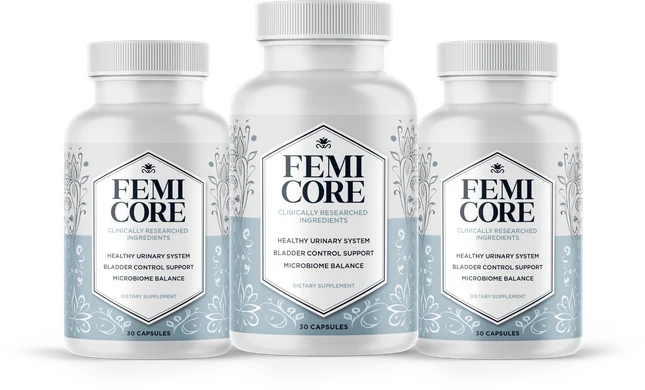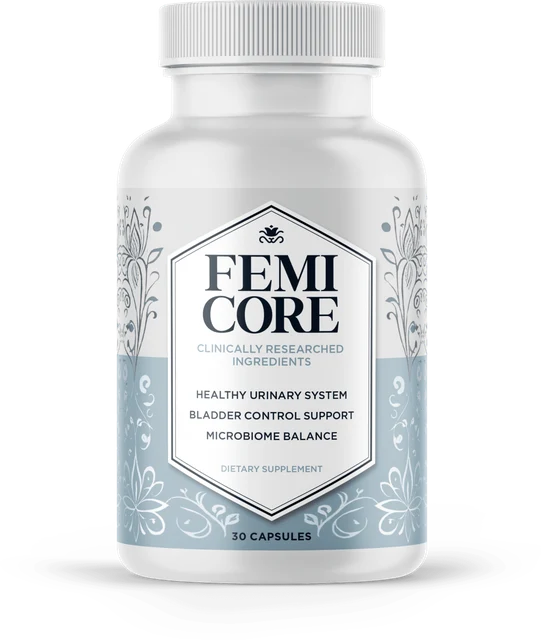
FemiCore is one of several routes a woman might take for urinary health or bladder control. This page sets it beside four product and care types, not brands: a cranberry-only supplement, a single-strain women’s probiotic, pelvic floor muscle training and a visit to a urologist or urogynecologist. Each route answers a different question, so the right one depends on what is actually going on.
The five routes side by side
| Route | What it targets | Human evidence | What you can check | Main limit |
|---|---|---|---|---|
| FemiCore | Urinary health, bladder control and microbiome balance, per the label | Some ingredients studied; no trial of the finished formula | Ingredient names only; no doses, CFU count or strain codes | You cannot match a capsule to study doses; daily bearberry; berberine interactions |
| Cranberry-only supplement | Repeat urinary infections | A 2023 Cochrane review: can reduce repeat UTIs in women prone to them | One ingredient, so its PAC content is easier to judge when the label states it | Studied for infections, not leaks or urgency |
| Single-strain women’s probiotic | Vaginal and urinary flora | A small trial of a vaginal L. crispatus product cut repeat UTIs | A named strain with a code can be matched to research | Swallowed probiotics are unproven for bladder symptoms |
| Pelvic floor muscle training | The muscles that support the bladder | A Cochrane review of trials in women with urinary incontinence | No ingredients and no interactions | Needs steady practice; no effect on infections |
| Urologist or urogynecologist | The cause of the symptoms | Diagnosis rather than a single product | Tests, examination and a named plan | Needs an appointment; cost depends on your cover |
For the long read on whether the FemiCore formula holds up, ingredient by ingredient, see does FemiCore really work.
Comparing FemiCore with the other routes?
The official store sells it as one-time packages, and refunds run for 60 days from delivery.
Check FemiCore Packages and TermsOpens the official FemiCore store (BuyGoods checkout).
FemiCore vs a cranberry-only supplement
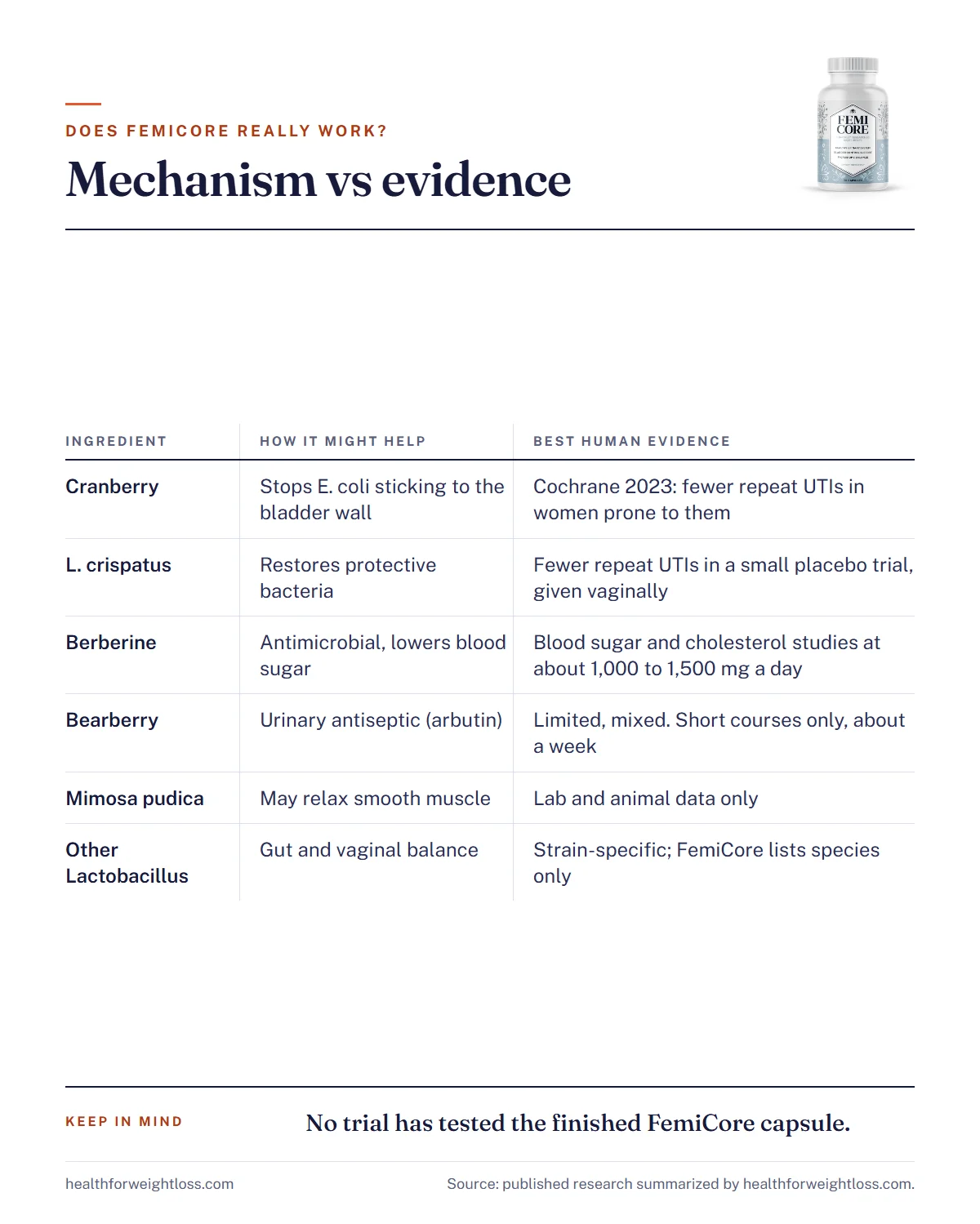
Cranberry is already inside FemiCore, and it is the ingredient with the most human research behind it. Its A-type PACs make it harder for E. coli to hold on to the urinary tract wall. The 2023 Cochrane review found cranberry products can lower repeat infections in women who get them often, though earlier reviews were mixed and the result depends on the PAC dose.
A single-ingredient product makes that dose question easier, because there is nothing else in the capsule to account for. FemiCore adds eight more ingredients, but its label gives no PAC figure at all. If repeat infections are your concern, a plain cranberry product with a stated PAC content is the narrower, better-studied choice. If urgency or leaks are your concern, cranberry was never studied for that, alone or in a blend. Cranberry also carries the same cautions in either form: warfarin case reports and an oxalate link to kidney stones.
FemiCore vs a single-strain women’s probiotic
Probiotic effects are tied to specific strains. The best-known urinary result, a small placebo-controlled trial in which an L. crispatus product reduced repeat UTIs, used a vaginal product, not a capsule you swallow. FemiCore lists five species, including L. crispatus, but no strain codes and no CFU count, so it cannot be matched to that trial or any other.
A single-strain product that prints its strain code at least lets you look up what that exact strain was tested for. Neither option has shown that taking probiotics by mouth changes bladder symptoms. The urinary microbiome research, which found fewer Lactobacillus in some women with urgency incontinence, is a real lead but an early one.
FemiCore vs pelvic floor muscle training
Pelvic floor muscle training is a set of exercises for the muscles under the bladder. Unlike any FemiCore ingredient, it has been tested directly on urinary incontinence in women, in randomized trials gathered in a Cochrane review. It has no ingredients, no doses to guess at and no drug interactions.
The cost is effort, not money: it only works if you keep doing it, and it does nothing for infections. FemiCore asks for a capsule a day instead, but offers ingredient-level research only, and none of it measured leaks.
FemiCore vs seeing a urologist or urogynecologist
A specialist answers the question no supplement can: why it is happening. Leaks, urgency and repeat infections have different causes, and the right step depends on which one you have. Some symptoms should go straight to a doctor, not to any product: blood in the urine, fever or chills, flank pain, burning, a sudden change in bladder control, or confusion in an older relative who also has urinary symptoms.
FemiCore’s own site advises a physician first if you are pregnant, nursing, on medication or have a medical condition. Berberine and bearberry in the blend are the main reasons that advice matters. A specialist visit is also a good place to ask whether a supplement makes sense for you at all, and to bring the full ingredient list so your current medicines can be checked against berberine, bearberry and cranberry.
Already checked by a clinician?
From $49 to $79 a bottle, one capsule a day, sold only through the official store.
See Prices on the FemiCore StoreOpens the official FemiCore store (BuyGoods checkout).
Which route fits which situation
- New, sudden or painful symptoms, or any red flag above: see a urologist or urogynecologist first.
- Repeat urinary infections: talk to your doctor; if a supplement is part of the plan, a cranberry product with a stated PAC content is the better-studied option.
- Leaks when you cough, laugh or lift: pelvic floor muscle training has direct trial evidence; no FemiCore ingredient does.
- You want to try a probiotic: a product with named strain codes lets you check the research for that strain.
- Mild urgency, already assessed, no interacting medicines: a FemiCore trial within the 60-day refund window is a reasonable experiment, with modest expectations.
- Pregnant, breastfeeding, kidney disease, or on lithium, warfarin, diabetes or blood pressure medicines: skip FemiCore unless your doctor approves it.
The claim-by-claim evidence is laid out on our FemiCore benefits page, and the FemiCore buyer guide covers dosing, price and refunds.
If FemiCore is the route you pick
Keep the packing slip and note the delivery date. Refunds run for 60 days from that date.
Place a One-Time FemiCore OrderOpens the official FemiCore store (BuyGoods checkout).