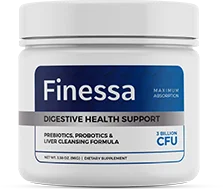
Digestive wellness products include probiotics, fiber supplements and enzyme blends that claim to ease bloating, keep you regular and support a healthy gut. Some have useful evidence for specific problems, but no product resets your gut in a week, and none can rule out a medical cause for ongoing symptoms. Treat them as a possible add-on to diet, fluids and medical advice, not a replacement.
What the evidence looks like
Probiotics have the most research and the most mixed results. The National Center for Complementary and Integrative Health reports that evidence for probiotics is promising for some uses, such as preventing diarrhea linked to antibiotics, and weaker or mixed for irritable bowel syndrome and constipation. Effects depend on the strain, so a study on one strain says nothing about a different one, and researchers still do not know the best amount to take.
Soluble fiber such as psyllium has solid evidence for constipation, but add it slowly with plenty of water, since a sudden increase can cause gas. Lactase enzyme helps people with lactose intolerance digest dairy. Broad enzyme blends sold for general bloating have far less support.
How to read the label
Look for each strain written in full, with genus, species and strain code, rather than a generic “probiotic blend”. Check whether the live count, given in colony forming units, is guaranteed until the expiration date or only at the time of manufacture. Note storage directions, since some products need refrigeration. For fiber, check grams per serving and the type of fiber.
Safety and when to see a doctor
Dietary supplements follow the FDA’s rules for supplements rather than the approval process for medicines, so they are not reviewed for safety or effectiveness before they are sold, and a supplement is not meant to diagnose, treat, cure or prevent disease. Probiotics appear safe for most healthy people, but people with a weakened immune system or a serious illness should ask a doctor first.
The National Institute of Diabetes and Digestive and Kidney Diseases advises seeing a doctor if gas symptoms change suddenly or come with pain, constipation, diarrhea or weight loss. Get prompt care for blood in your stool, black stools, trouble swallowing, repeated vomiting or severe abdominal pain.
Before you buy, check the refund window, confirm whether the order is one-time or a subscription, and buy only from the official store.