Products in this category promise sharper memory, better focus or slower age-related decline. They include capsules such as nootropic blends and fish oil, and also audio programs, brainwave tracks and brain-training apps. Some may help you feel more alert for a while, but none has been shown to prevent dementia or reverse memory loss.
What the evidence looks like
Capsule formulas often combine ginkgo, bacopa, phosphatidylserine, lion’s mane, omega-3 fats, B vitamins and caffeine. Caffeine reliably improves alertness in the short term, and vitamin B12 helps when you are deficient. For most other ingredients, trials are small, short and mixed. In a large NIH-funded trial of more than 3,000 older adults, ginkgo did not lower dementia rates compared with placebo.
Audio and brain-training products work differently. Practicing a game usually makes you better at that game, but gains in everyday memory and thinking are much less certain. Audio tracks that claim to change brainwaves have little independent research behind them. They are low risk, so judge them as a way to relax or focus, not as a treatment.
Audio tracks and brain activation programs
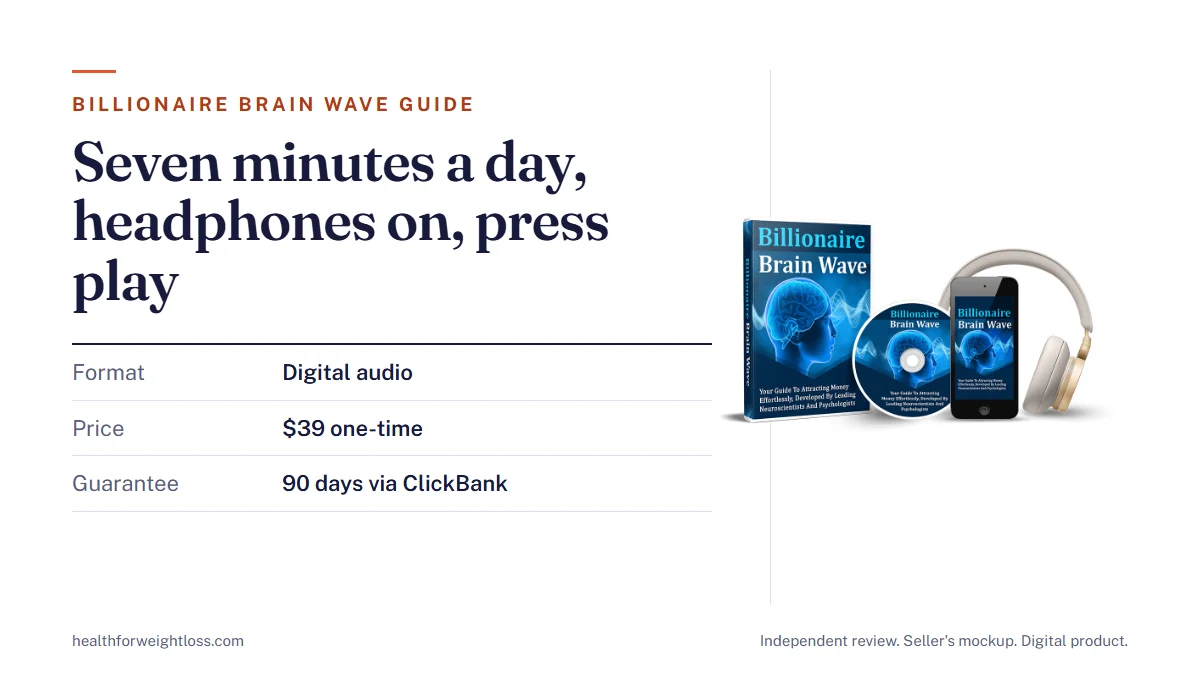
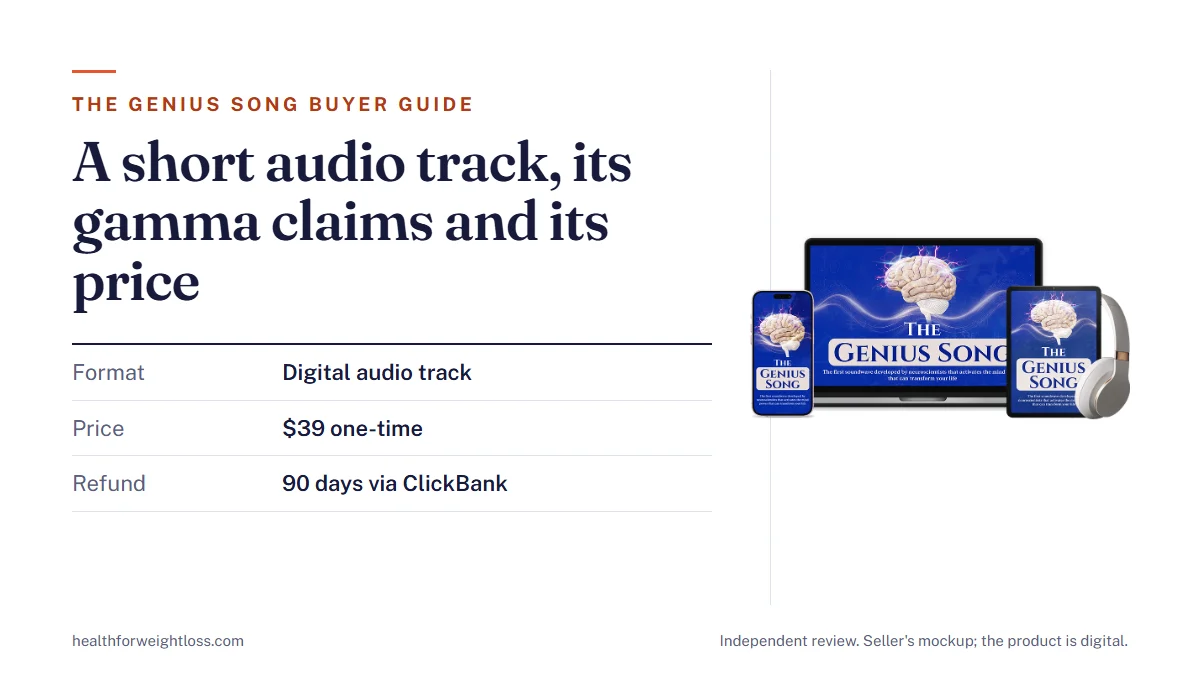
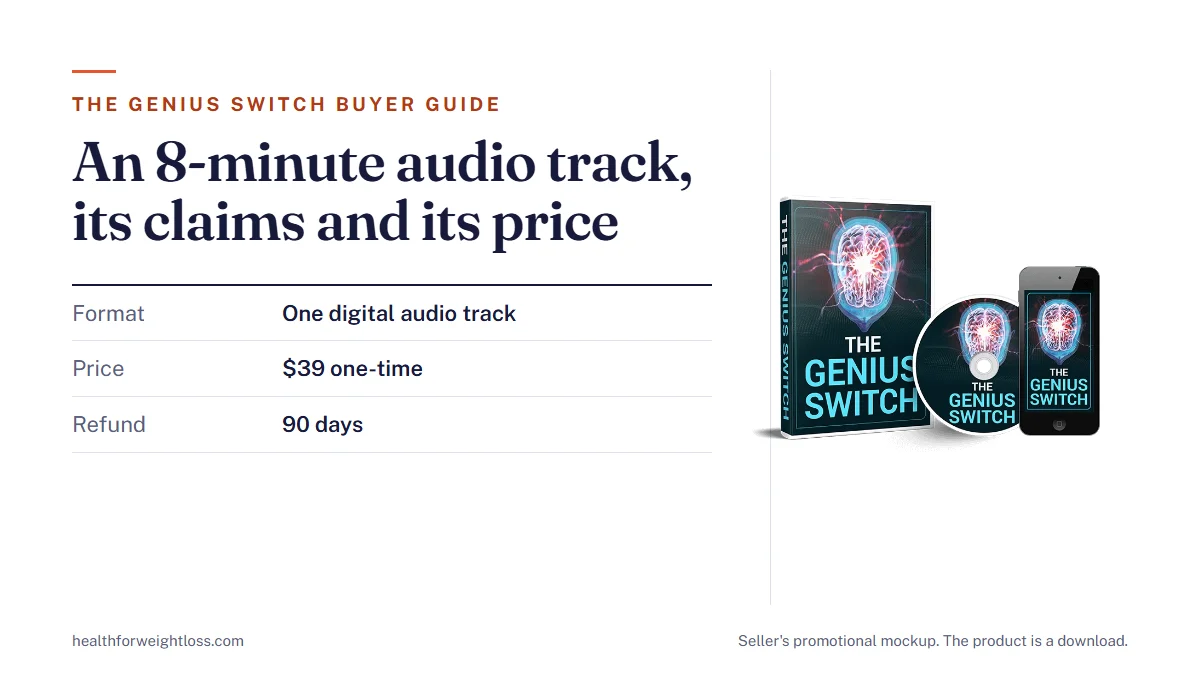
Some products in this category are not capsules at all but a recording: a short track you play through headphones, sold under names like brain activation, whole-brain sync or genius frequencies. Many draw on binaural beats, where each ear hears a slightly different tone and the brain perceives a third, pulsing one. The research is mixed: a 2019 meta-analysis found a medium overall effect on some outcomes, such as anxiety and attention tasks, while a 2023 review found that most studies did not show the brainwave change these products are built on. No audio product of this kind has been tested in a published trial of its own, so improvements to memory, intelligence, income or luck remain the seller’s claims.
Listening is low risk if you keep a few rules. Use a comfortable volume, never listen while driving or operating machinery, and stop if you feel dizzy or unwell. If you have epilepsy or a seizure history, or a hearing problem such as tinnitus, ask your doctor before you start. Treat a track as a few calm minutes in your day, and check whether it is a one-time download or a subscription, and how the refund works, before you pay.
Dietary supplements follow the FDA’s rules for supplements rather than the approval process for medicines, so they are not reviewed for safety or effectiveness before they are sold, and a supplement is not meant to diagnose, treat, cure or prevent any disease. Audio and app programs are not a medical treatment for memory problems either.
When to see a doctor first
Memory changes that worry you or your family deserve a medical visit. Thyroid problems, low B12, sleep apnea, depression, hearing loss and medication side effects can all affect memory, and several of them are treatable.
Ginkgo can raise bleeding risk if you take blood thinners, and stimulant blends may not suit people with heart rhythm problems, anxiety or high blood pressure. Check with a clinician if you are pregnant, take antidepressants or seizure medicine, or have surgery coming up.
Reading the label and buying
For capsules, check the exact amount of each ingredient and the total caffeine per serving, and be wary of proprietary blends. For audio and app products, find out exactly what you get, how long access lasts and whether you can try it first. In both cases, confirm one-time versus subscription billing and the length of the refund window, and buy from the official store only.